
Digital Passport Application
Digitizing the passport renewal process
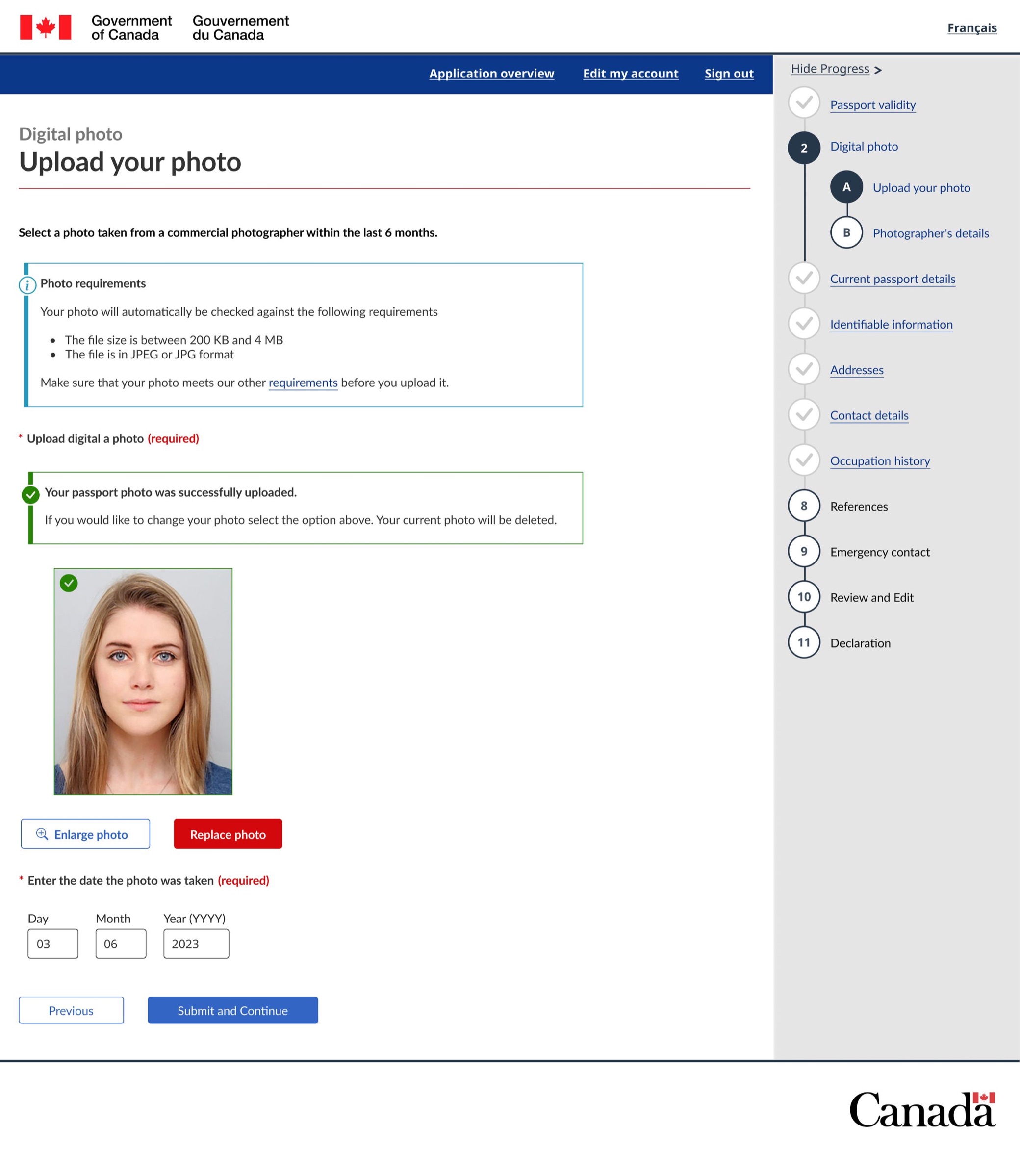
In 2022, I led the product design team for the Government of Canada's new digital passport application service, joining as both design lead and AI specialist.
With passport renewals surging, wait times at service centres continued to grow, leading the Government of Canada to invest in a fully digital passport renewal application to streamline the process. This solution allows citizens to renew their passports from home, improving accessibility and convenience. A key feature of the system is a real-time computer-vision tool that automatically validates passport photos during submission, reducing errors and accelerating processing times. By digitizing the renewal process and implementing AI-driven technology, the government aimed to enhance the user experience and optimize operational efficiency, significantly reducing manual workloads and service bottlenecks.
This case study will focus on the initial problem we set off to solve by digitizing the passport application experience, and how we determined the best way to incorporate an AI-powered photo verification feature.
Problem to solve
To help resolve this issue for citizens, the Government of Canada reached out to IBM to build a full end-to-end web application that would allow people to quickly and easily renew their passports online. To do this successfully, the application needed to:
- Provide a simplified responsive experience that would enable any Canadian to renew their passport online via desktop or mobile.
- Accommodate both English and French translations of the content within the layout.
- Enable citizens to upload a passport photo and have it evaluated in real time by AI.
- Allow citizens to pay using their credit card online.
- Support renewing passports for dependents.
- Adhere to the highest standard of accessibility criteria.
Landscape analysis
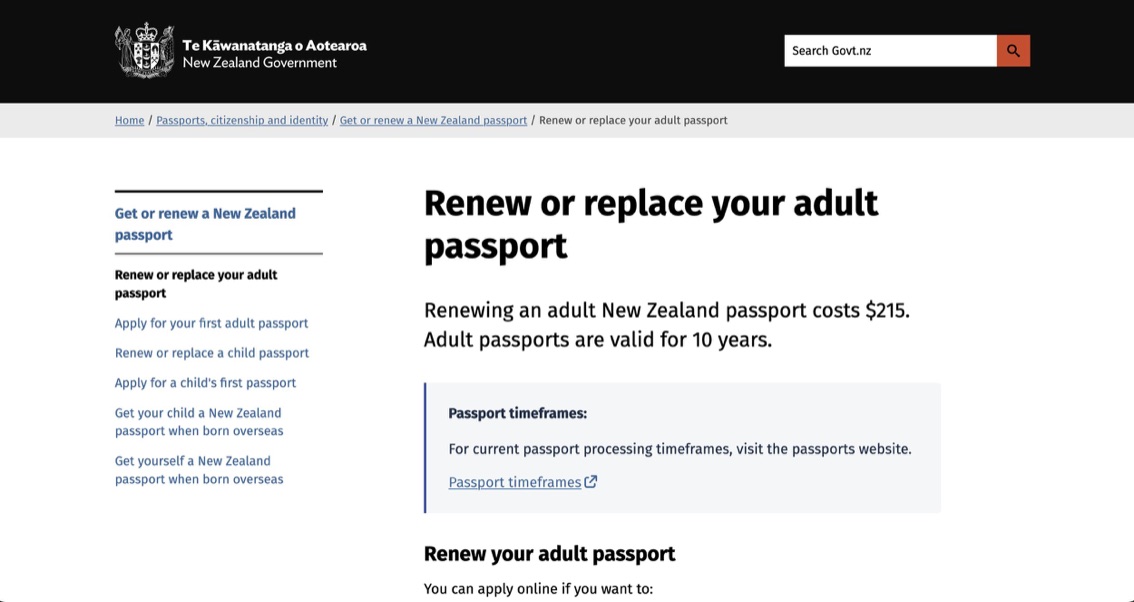
As we translated business requirements into user stories with well-defined acceptance criteria, I led a landscape analysis in collaboration with the product managers, business analysts, and designers. This involved researching online passport renewal services from other governments for benchmarking. During this process, we identified the New Zealand Government's digital renewal tool as an ideal comparison, as it also uses computer vision technology to evaluate passport photos in real time. New Zealand's implementation demonstrated an ethical approach to communicating the use of artificial intelligence to users during the photo evaluation process, along with the ability to opt out if they were uncomfortable with its usage, which we used as a foundation when building out our own.
This analysis allowed us to uncover gaps in our own acceptance criteria, task flows, and content design, leading to critical improvements before moving into development.
Cross-functional team leadership
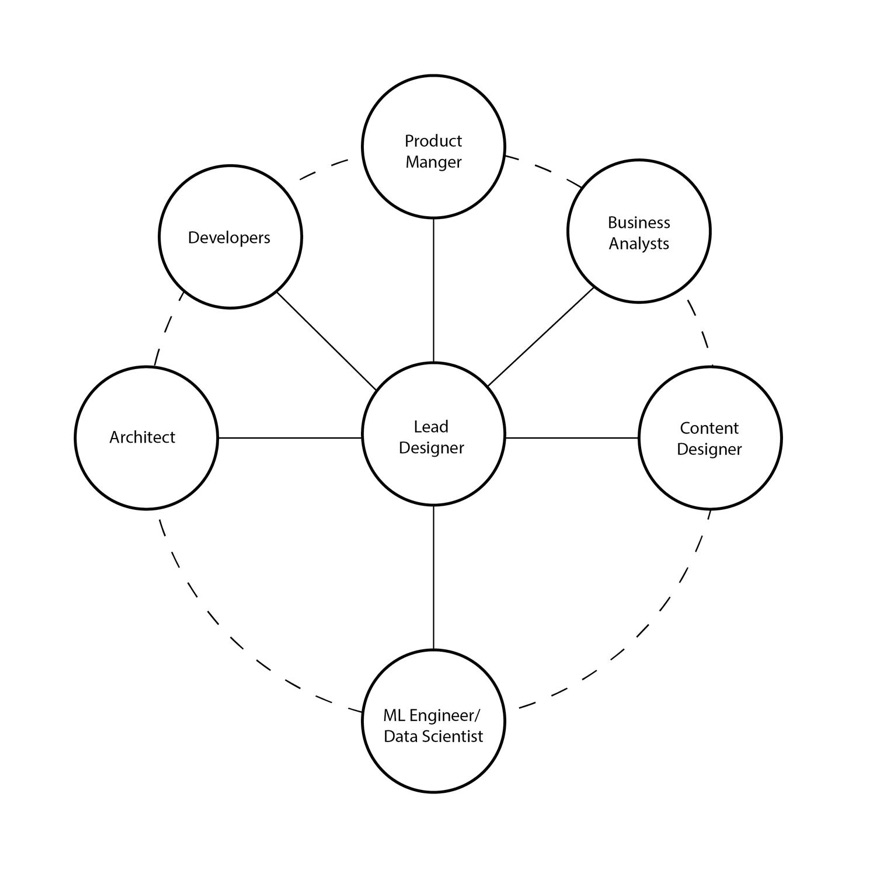
Building a government web application that incorporates artificial intelligence to automate processes required consistent communication with pod members throughout the project.
Early on, I identified the need for a central point of alignment to keep the team synchronized as we worked rapidly toward our business objectives, and I assumed that role throughout the project. This included taking the lead on using Jira to document key decisions and ensure that all stakeholders had access to up-to-date information at every stage of development.
Style guide and design system
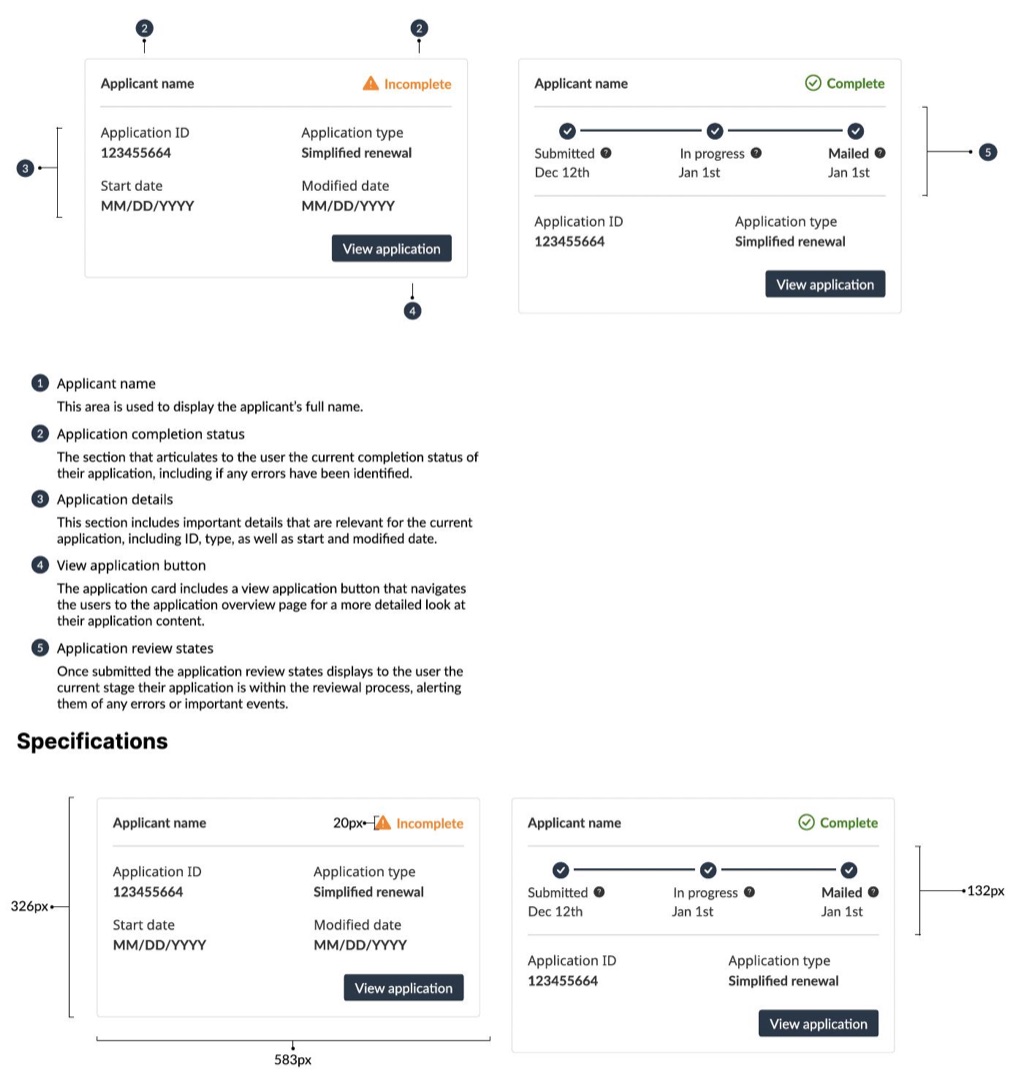
The Government of Canada has strict branding criteria that all new websites and applications must adhere to, though the look and feel can vary by department. For this project, one key requirement was to develop a comprehensive design system and style guide tailored specifically for Immigration, Refugees and Citizenship Canada (IRCC) to ensure consistency across all future applications.
We began by conducting thorough design research on the existing branding standards to guide our decision-making as we designed each component. The style guide clearly outlined the layout, structure, sizing, and variations for all components used in the passport renewal application.
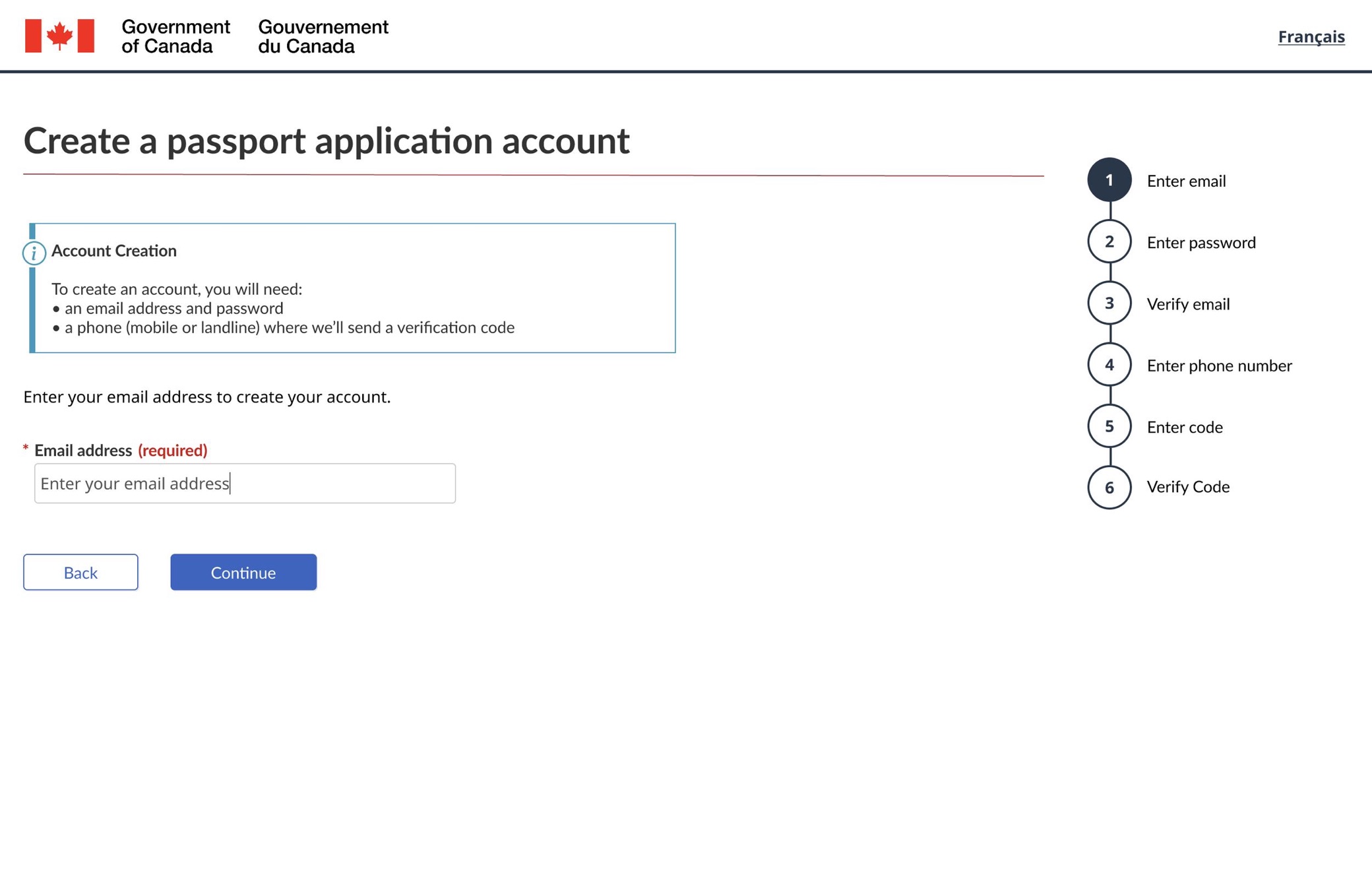
Designing the application renewal experience
With one of the business objectives being to streamline the passport renewal process, it was important to design an experience that was quick and efficient for citizens to complete when renewing their passport. However, speed wasn't the only criterion for providing citizens with a good experience. We really needed to think about all Canadians and how their different scenarios and situations may mean we design the experience a bit differently to accommodate everyone.
This meant considering Canadians of different age groups, language skills, computer skills, and accessibility needs to ensure that any Canadian, no matter who they are, can renew their passport online easily. This involved working with the accessibility team to make sure we met the established accessibility requirements, and working with content designers to make sure the language being used could be understood by all citizens, no matter their proficiency in English.
We further addressed these issues by developing an end-to-end design process that included an accessibility review, in addition to a content style guide to ensure we were using clear and simplified terms consistently throughout the platform.
Designing the photo evaluation experience
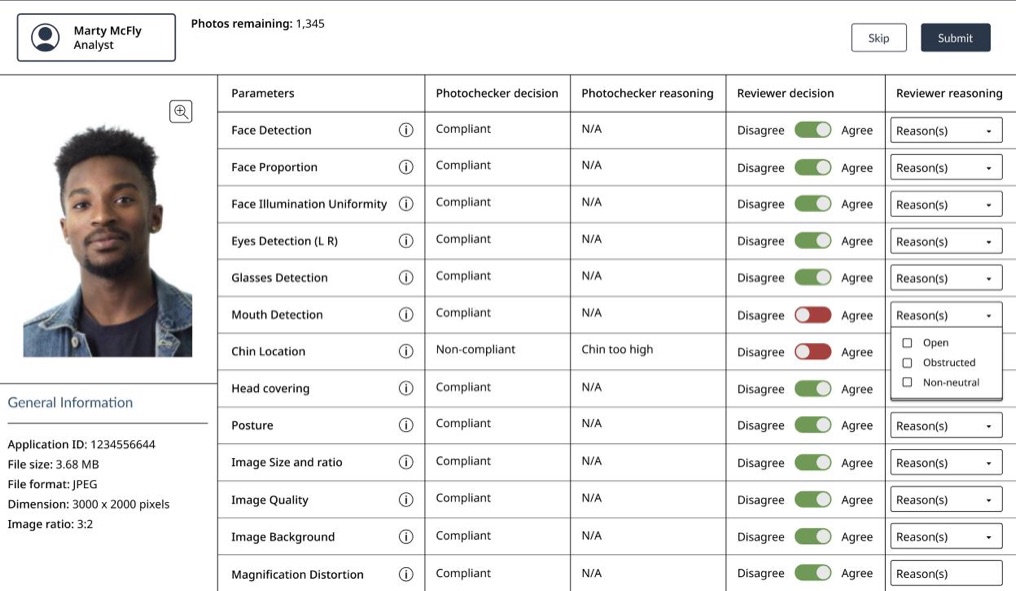
The photo evaluation feature also required an internal-facing application for IRCC employees, which demanded close coordination with the machine learning engineers and data scientists to ensure that the AI model used for evaluating passport photos was feasible within the given time frame. Since the model needed extensive training to accurately assess whether photos met passport requirements, eliminating potential technical vulnerabilities was critical to prevent exploitation by bad actors.
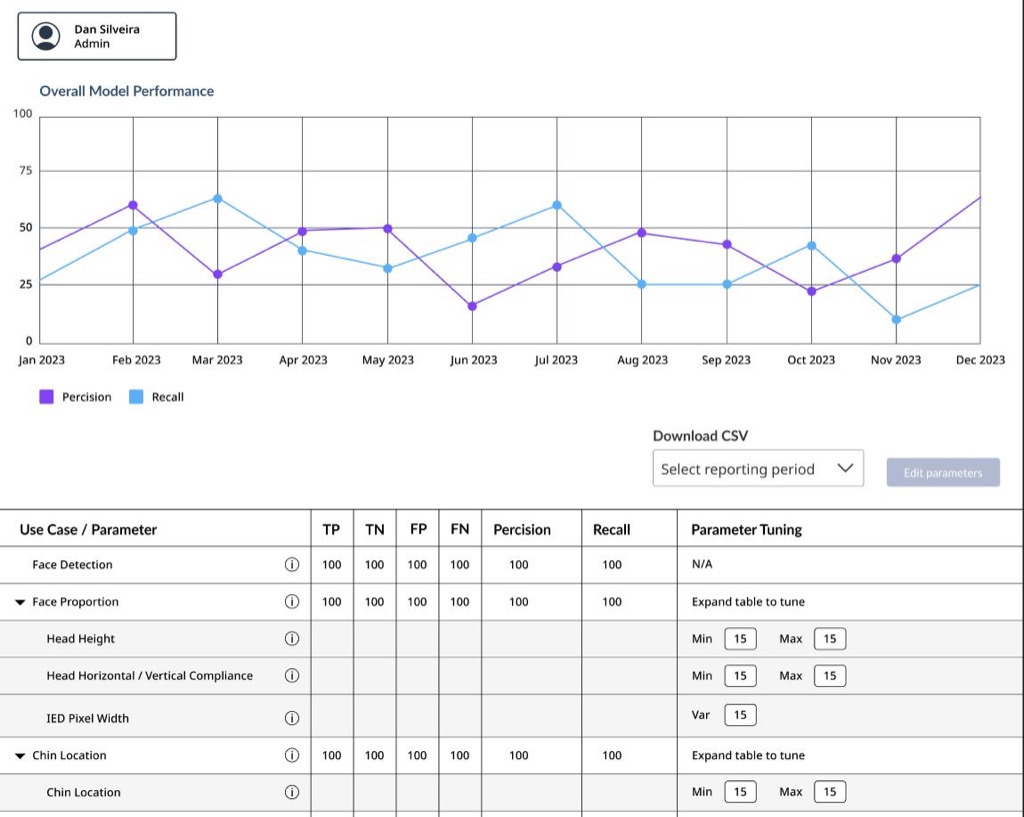
Alongside the technical team, I also collaborated closely with the IRCC stakeholder team to create a process where humans would verify the AI's photo assessments until the model reached full confidence. This involved designing a user interface for employees to review the AI's analysis, as well as a page to adjust the model's sensitivity for specific photo evaluation criteria. Developing these screens, alongside the computer vision functionality, was both challenging and rewarding, knowing that, if done right, it would greatly accelerate the passport renewal process for citizens across the country.
Impact
For Canadians, this new online passport web application provides a brand new experience that makes renewing a passport faster and easier than ever before while reducing wait times at physical locations, achieving the Government of Canada's business and experience objectives.
In addition to the successful launch of the product, I was able to deliver a fully developed design system and style guide for government employees to use after my departure from the project following launch.
Our ethical approach to implementing an AI-driven photo evaluation feature lets users decide whether they would like to use it to speed up the processing of their passports. They can feel comfortable knowing exactly how their data will be used and stored, while retaining the ability to opt out if they do not wish to use the feature.